
Currently Empty: 0.00 JOD

The Wonders of Tea Tree Oil: History, Benefits, and Uses
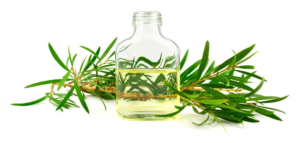
Tea tree oil, derived from the leaves of the Melaleuca alternifolia tree, has been a staple in natural medicine for centuries. Native to Australia, this essential oil is renowned for its potent antiseptic properties and versatility in treating various ailments. This blog will explore the history, benefits, and modern uses of tea tree oil, along with a list of references in APA style.
History of Tea Tree Oil
The use of tea tree oil dates back to the indigenous Bundjalung people of Australia, who utilized the crushed leaves of the Melaleuca tree to treat wounds and infections. The oil gained commercial attention in the 1920s when Australian chemist Arthur Penfold published research highlighting its antiseptic properties, which were 11 times more potent than carbolic acid, the standard antiseptic of the time.
Benefits of Tea Tree Oil 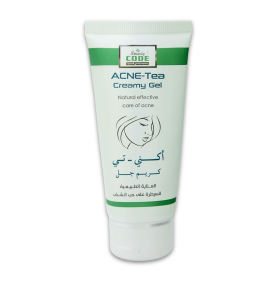
Tea tree oil is celebrated for its wide range of health benefits, primarily due to its antibacterial, antifungal, and anti-inflammatory properties. Here are some of the key benefits:
- Antibacterial and Antifungal: Tea tree oil contains active compounds like Terpinen-4-ol, which makes up about 43% of its active ingredients. This makes it a powerful antibacterial and antifungal agent, used to treat acne, athlete’s foot, lice, and nail fungus.
- Acne Treatment: Research has shown that a 5% tea tree oil gel can be effective in reducing mild to moderate acne, serving as a natural alternative to benzoyl peroxide with fewer side effects.
- Wound Healing: Tea tree oil is used as an antiseptic for wounds, helping to kill bacteria and disinfect cuts, which accelerates the healing process.
- Dandruff Control: Studies have indicated that using a shampoo containing 5% tea tree oil can help reduce dandruff and improve scalp health.
- Oral Health: Tea tree oil can be used as a mouthwash at a low concentration (2.5%) to help reduce oral infections and disinfect the mouth from germs.
- Relief from Itching and Inflammation: Tea tree oil is used to relieve itching from insect bites and sunburns, as well as to alleviate some bacterial and fungal infections like athlete’s foot.
Modern Uses of Tea Tree Oil 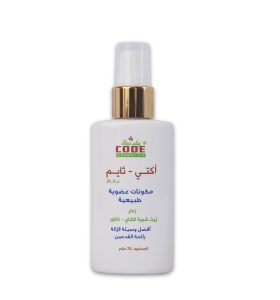
In contemporary times, tea tree oil is incorporated into a variety of products, including skincare, haircare, and household cleaning items. Here are some common uses:
- Skincare: Tea tree oil is a popular ingredient in cleansers, toners, and spot treatments for acne-prone skin.
- Haircare: It is used in shampoos and conditioners to combat dandruff and promote a healthy scalp.
- Household Cleaning: Due to its antimicrobial properties, tea tree oil is used in natural cleaning products to disinfect surfaces and eliminate odors.
- Aromatherapy: Tea tree oil is also used in diffusers to purify the air and provide a refreshing scent.
Safety and Precautions
While tea tree oil is generally safe for topical use, it should never be ingested as it can be toxic. It is also important to perform a patch test before using it on the skin to ensure there is no allergic reaction. Pregnant and breastfeeding women should consult with a healthcare provider before using tea tree oil.
Extraction Process of Tea Tree Oil
Tea tree oil is extracted from the leaves of the tea tree through a process of steam distillation. Here are the basic steps:
- Harvesting the Leaves: Tea tree leaves are collected and dried.
- Cutting the Leaves: The dried leaves are cut into small pieces to increase the surface area.
- Steam Distillation: The cut leaves are placed in a distillation apparatus where hot steam is passed through them. The steam helps release the essential oils from the leaves.
- Condensation: The steam carrying the essential oil is condensed into a liquid through a cooling system.
- Separation: The essential oil is separated from the condensed water, as the oil is lighter and floats on the surface.
Major Global Producers of Tea Tree Oil 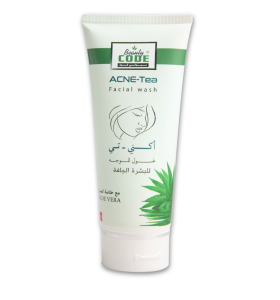
- Australia: The native home of the tea tree, Australia is the largest producer of tea tree oil in the world, with major cultivation in New South Wales and Queensland.
- China: China produces significant quantities of tea tree oil, particularly in the southern regions like Yunnan.
- New Zealand: Although producing less than Australia and China, New Zealand is known for the high quality of its tea tree oil.
Leading Tea Tree Oil Companies
Major Companies:
- NOW Foods: A leading manufacturer of natural health products, offering a range of high-quality tea tree oil products, including organic and therapeutic-grade options.
- Young Living: Known for its multi-level marketing approach, Young Living offers high-quality tea tree oil products.
- Plant Therapy: Provides high-quality essential oils at affordable prices, with a strong online presence.
Medium-Sized Companies:
- Rocky Mountain Oils: Offers a comprehensive range of tea tree oil products, focusing on quality and customer satisfaction.
- Revive: Committed to providing pure and natural essential oils, sourcing tea tree oil from carefully selected farms in Australia.
- Healing Solutions: Specializes in therapeutic-grade essential oils, known for the effectiveness of their tea tree oil products.
References
- Mayo Clinic. (2024). Tea tree oil. Retrieved from https://www.mayoclinic.org/drugs-supplements-tea-tree-oil/art-20364246
- Healthline. (2023). 14 Benefits and Uses for Tea Tree Oil. Retrieved from https://www.healthline.com/nutrition/tea-tree-oil
- WebMD. (2024). TEA TREE OIL - Uses, Side Effects, and More. Retrieved from https://www.webmd.com/vitamins/ai/ingredientmono-113/tea-tree-oil
- Medical News Today. (2023). Tea tree oil: Benefits and uses. Retrieved from https://www.medicalnewstoday.com/articles/262944

Dr Adam
Such a cool article! I had no idea tea tree oil had so many uses, like for acne, hair care, and even cleaning. The history part was really interesting too, especially how it was used by the Australian people. The tips on safety and different brands are super helpful as well. Thanks for sharing all this!